GOV.UK

Blog: Home Office Digital

Organisations:
Home Office
Home Office Digital

LEDS: Police data in the digital age

A police officer sitting in a police vehicle looking at a digital ID of a person

LEDS: Police data in the digital age

This technical case study explains how a successful collaboration between the Home Office and the police has created a modern, accessible and API-led law enforcement data platform.

Read more of LEDS: Police data in the digital age

Doing less by focusing on user needs

Posted by: Sam Wakeling, Posted on: 8 September 2017 - Categories: Design, Service design, User research
An image of 2 Swiss Army Knives. The first is complicated with many tools, the second is much simpler with just a few

...service quicker, simpler and cheaper (to use and probably to build too). Another way to put it is that user needs are about getting done only what’s needed. The goal...

Read more of Doing less by focusing on user needs

Good icons should be invisible

Posted by: Eliot Hill, Posted on: 18 August 2017 - Categories: Design
Icons of a key, an exclamation mark, zoom in, zoom out and print

Senior interaction designer Eliot Hill explains the benefits of using the Home Office icons pattern on internal services

Read more of Good icons should be invisible

Learning through international collaboration in New Zealand

Posted by: Emily Mahon-Ball, Posted on: 11 August 2017 - Categories: Service design, Transformation, User research
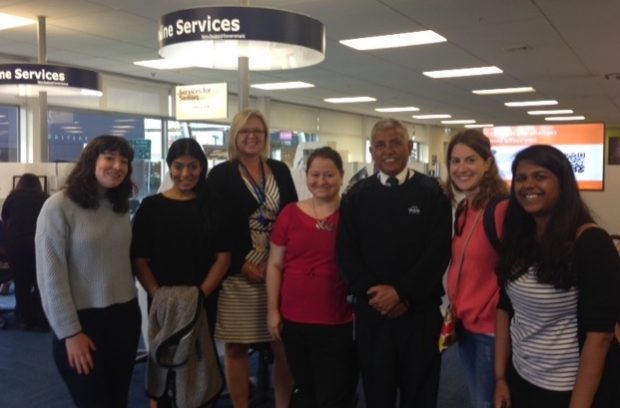
Civil servants visiting New Zealand on the D5 exchange trip

...I was excited about a recent exchange trip to the Department of Internal Affairs (DIA) in New Zealand. The UK and New Zealand are 2 countries in Digital 5, or...

Read more of Learning through international collaboration in New Zealand

What we mean by service outcomes and measurement

Posted by: Kate Tarling, Posted on: 4 August 2017 - Categories: Service design

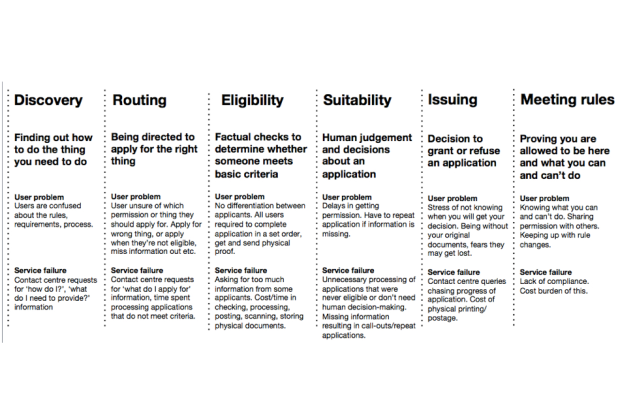
...speed up decision making.’ These are different to the desired outcomes for a service or stage. Outcomes for a stage in a service Examples of good outcomes are ‘People know...

Read more of What we mean by service outcomes and measurement

Types and stages of services

Posted by: Kate Tarling, Posted on: 31 July 2017 - Categories: Service design
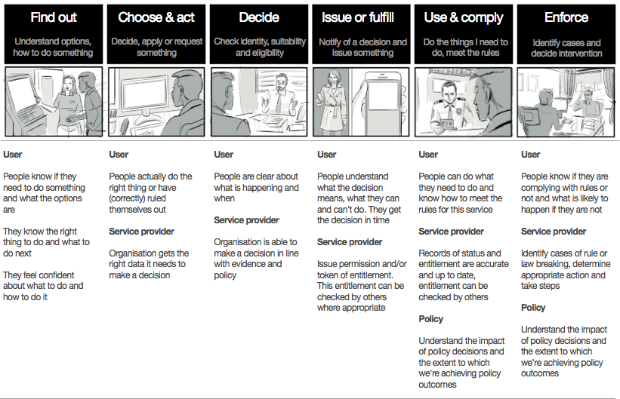
Table of common stages in a service

...wider context around the part they’re working on, as well as forming a benchmark for when we change things. That would leave individual teams free to focus their user research...

Read more of Types and stages of services

Creating common ground with design standards

Posted by: Michael Owen, Posted on: 25 July 2017 - Categories: Design
A vintage cabinet with many drawers. How design systems might once have been organised and stored

...share experimental ideas. All in the open. These experiences have helped us iterate our goals for the project by allowing us to: create a common design language across the organisation...

Read more of Creating common ground with design standards

Knowing the right level of interaction design

Posted by: Charles Reynolds-Talbot, Posted on: 7 July 2017 - Categories: Design
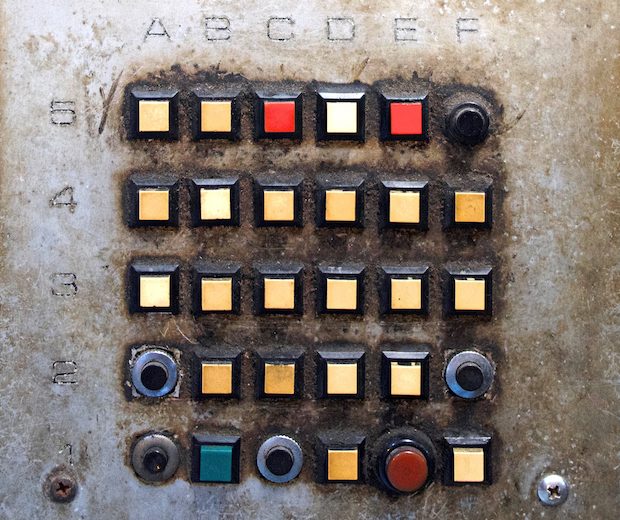
A picture of a well designed apartment call system

...that are easy to use and understand. They’ll prototype these solutions – often in code because interactions are made of code, not mock-ups – to test ideas with users and...

Read more of Knowing the right level of interaction design

The learning curve of a HODDaT user researcher intern  

Posted by: Kiri Chaundy, Posted on: 4 July 2017 - Categories: Recruitment, User research
User researcher intern Kiri Chaundy

...used the internet in my research, I’d never researched how people use the internet. Which is why I jumped at the chance of becoming a user researcher intern at Home...

Read more of The learning curve of a HODDaT user researcher intern  

Confidence tricks: how to help assisted digital users

Posted by: Clare Ridd, Posted on: 21 April 2017 - Categories: Assisted digital, Content, Design, User research
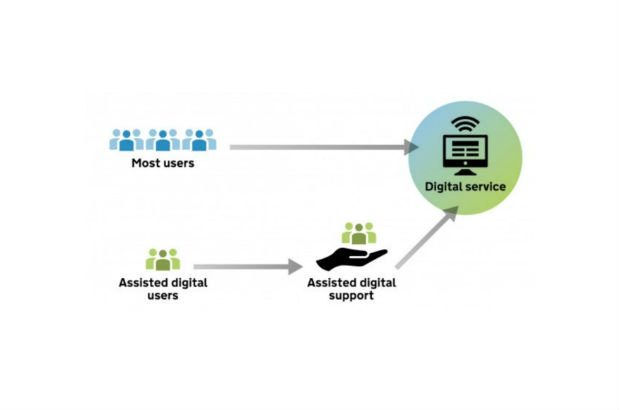
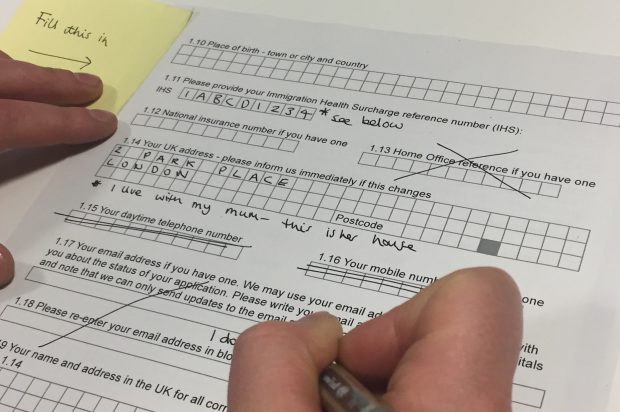
Picture of someone filling out a paper form

...online forms and services, for example they don’t have a computer or smartphone, or they believe they don’t have the skills to do the same task online. Others say they...

Read more of Confidence tricks: how to help assisted digital users

Building internal systems v providing services  

Posted by: Kate Tarling, Posted on: 20 April 2017 - Categories: Service design
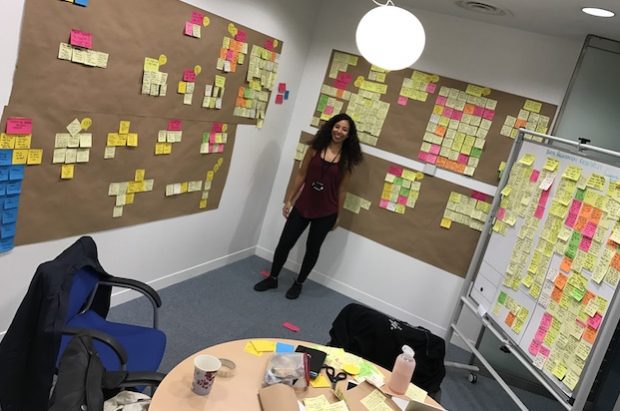
Post-Its showing the possible stages in a service

As we go about redesigning public services to be clearer, simpler and faster, we sometimes hear things like, ‘civil servants are users too.’ And of course they are.

Read more of Building internal systems v providing services   - 2 comments
Previous page
  • Page 1
  • …
  • Page 11
  • Page 12
  • Page 13
  • …
  • Page 18
Next page

Related content and links

Home Office Digital, Data and Technology

A blog about how we're improving Home Office services.

More about us.

Categories

Sign up and manage updates

  • Email
  • Atom

Follow us

  • Home Office DDaT on Twitter

Work for us

Find out about vacancies at Home Office Digital, Data and Technology

Follow @DigiCareersGov

Follow Civil Service Jobs

Recent Posts

  • Transforming our caseworking system to improve outcomes for our users
  • Deciding not to build a new service: why stopping can be the right outcome 
  • Launching the Home Office 2030 Digital Strategy 
  • Graduates: accelerate your digital and data career on our Dynamic Graduate Scheme
  • Unlocking the power of data analysis at the Home Office: introducing the Analytics Workbench 

Useful links

  • All GOV.UK blogs
  • All GOV.UK blog posts
  • GOV.UK
  • All departments
  • Accessibility statement
  • Cookies
All content is available under the Open Government Licence v3.0, except where otherwise stated
© Crown copyright